
Future trends shaping the gambling industry landscape
Future trends shaping the gambling industry landscape
Technological Innovations Transforming Gambling
The gambling industry is undergoing a significant transformation driven by technological innovations. Virtual reality (VR) and augmented reality (AR) are increasingly being integrated into online casinos, providing players with immersive gaming experiences that mimic the excitement of physical casinos. These technologies enhance user engagement by allowing players to interact with their surroundings and other players in a more dynamic way. As the technology continues to evolve, we can expect a rise in VR casinos where players can socialize and enjoy 1win aviator game in a fully immersive environment.
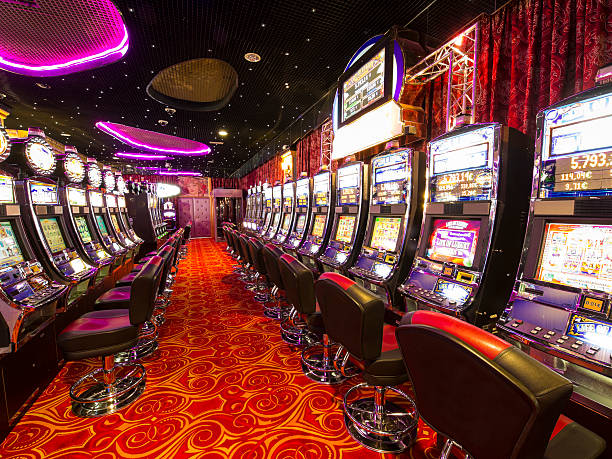
Artificial intelligence (AI) is also playing a pivotal role in shaping the future of gambling. AI algorithms are being used to analyze player behavior, allowing casinos to personalize user experiences. For example, AI can recommend games based on a player's past preferences, thereby enhancing customer satisfaction and retention. Additionally, AI-driven chatbots are improving customer service by providing instant assistance, making the gaming experience smoother and more user-friendly.
Blockchain technology is another trend making waves in the gambling industry. It enhances transparency and security by allowing for secure transactions and a decentralized record-keeping system. Players can have peace of mind knowing that their data and financial transactions are protected. Moreover, blockchain enables the creation of cryptocurrencies that can be used for gambling, providing an alternative payment method that appeals to tech-savvy players seeking anonymity and efficiency.
The Rise of Mobile Gambling
Mobile gambling is on the rise, reflecting the broader trend of increasing smartphone usage globally. As mobile devices become more powerful and accessible, online casinos are prioritizing mobile optimization to cater to on-the-go players. Many casinos are developing dedicated apps that offer a seamless and user-friendly experience, allowing players to enjoy their favorite games anytime and anywhere. This shift not only broadens the player base but also encourages more frequent gaming sessions.
Additionally, the advent of 5G technology is set to revolutionize mobile gambling further. With faster internet speeds and reduced latency, players will experience smoother gameplay and enhanced graphics on their mobile devices. This technological advancement will make live dealer games more accessible, allowing players to enjoy real-time interactions with dealers from the comfort of their homes or while traveling.
The convenience of mobile gambling is also leading to the emergence of innovative game formats specifically designed for mobile play. Shorter, more interactive games that cater to a mobile audience are becoming increasingly popular. Game developers are focusing on creating engaging experiences that maintain players' attention and make the most of mobile technology, setting the stage for the next generation of gaming entertainment.
Regulatory Changes and Legalization Trends
As the gambling landscape evolves, so do the regulatory frameworks governing the industry. Many countries are re-evaluating their gambling laws to adapt to the digital age and the rising popularity of online gambling. The legalization of online casinos and sports betting is a growing trend in various jurisdictions, reflecting a shift towards recognizing and regulating the online gambling market. This trend not only provides revenue opportunities for governments but also enhances player protections and promotes responsible gaming.
Moreover, regulatory bodies are increasingly focusing on protecting vulnerable populations from gambling addiction. Implementing measures such as self-exclusion programs, deposit limits, and mandatory age verification processes are becoming standard practices. These initiatives aim to promote responsible gambling while ensuring that the industry maintains integrity and accountability, which are crucial for long-term success.
With the rise of eSports and online gaming, regulatory bodies are also beginning to explore how these sectors intersect with traditional gambling. The growing popularity of betting on eSports events is prompting governments to develop guidelines and regulations that will address this new market. As the industry continues to diversify, we can expect more comprehensive legislation that encompasses all forms of gambling, ultimately benefiting both operators and players.
Social Responsibility and Ethical Gambling Practices
As gambling becomes more accessible, social responsibility is emerging as a cornerstone of the industry. Operators are increasingly aware of the importance of promoting ethical gambling practices and ensuring player safety. Initiatives aimed at fostering responsible gambling behaviors are gaining traction, with many casinos implementing measures to educate players about potential risks and offering resources for those who may be struggling with addiction.
Furthermore, partnerships between gambling operators and mental health organizations are being established to provide comprehensive support for at-risk players. These collaborations aim to create awareness about gambling addiction and offer assistance programs that encourage healthy gambling habits. The focus on social responsibility not only helps protect players but also enhances the industry's reputation as a whole.
Corporate social responsibility (CSR) initiatives are also becoming commonplace among gambling operators. Many companies are investing in community projects, promoting local events, and engaging in charitable endeavors. This approach not only strengthens their brand image but also fosters goodwill within the communities they operate in, ultimately contributing to a more sustainable and socially responsible gambling industry.
Exploring New Avenues for Engagement
The gambling industry is continuously seeking innovative ways to engage players and enhance their experience. Gamification is one approach that has gained popularity in recent years. By integrating game-like elements into traditional gambling experiences, operators can create a more engaging environment for players. Features such as loyalty programs, achievement badges, and interactive challenges encourage players to participate more actively, driving player retention and satisfaction.
Another avenue for engagement is the integration of social media into the gambling experience. Many online casinos are leveraging social platforms to connect with players, share updates, and promote special events. By fostering a sense of community, operators can enhance player loyalty and create a more vibrant gaming atmosphere. The social aspect of gambling can also extend to in-game interactions, allowing players to chat and compete with friends, adding another layer of enjoyment to the experience.
Additionally, the use of streaming platforms for live gaming events is becoming a popular trend. Players can engage with live dealer games through streaming services, experiencing a real-time casino atmosphere from their homes. This format not only attracts new players but also encourages existing players to explore different gaming options, contributing to a more dynamic and interactive gambling environment.

Looking Ahead: The Future of Online Gaming
As we move forward, the gambling industry is set to continue evolving in response to technological advancements, regulatory changes, and shifting consumer preferences. The future of online gaming promises to be even more exciting, with innovations like AI, VR, and blockchain likely to redefine player experiences. Operators will need to adapt quickly to stay competitive and meet the demands of a rapidly changing market.
Furthermore, the rise of social responsibility initiatives and ethical gaming practices will shape the industry’s reputation and growth. A focus on player safety and well-being will be paramount as new generations of players enter the market. This holistic approach to gambling will not only enhance user experiences but also ensure the sustainability and integrity of the industry.
For players looking to explore the latest in gaming innovations, websites like Aviator Game India provide an excellent platform. With engaging games and a commitment to safe gaming practices, players can enjoy thrilling experiences while remaining informed and empowered. As the landscape continues to shift, staying connected with the latest trends will be crucial for maximizing enjoyment in the world of gambling.

Kulturperspektiver på gambling i Norge Hva påvirker våre spillvaner
Kulturperspektiver på gambling i Norge Hva påvirker våre spillvaner
Gamblingkulturens utvikling i Norge
Gambling i Norge har gjennomgått betydelige endringer over tid, fra tradisjonelle former som tipping og lotteri til moderne nettbaserte plattformer. Historisk sett har gambling vært en del av norsk kultur, men reguleringer har påvirket hvordan spill tilbys og utføres. For eksempel ble Norsk Tipping etablert for å sikre at spillingen skjedde under trygge og kontrollerte forhold, noe som har vært en viktig faktor i å forme spillvanene i befolkningen. Dette gjelder spesielt når man ser på hvordan man enklere kan foreta en dragonia casino login for å delta i det moderne gamblingmarkedet.
Den økte tilgjengeligheten av nettspill har imidlertid utfordret den tradisjonelle modellen. I dag er det mange nordmenn som spiller på internasjonale nettcasinoer, noe som kan føre til en endring i spillvanene. Dette skiftet kan også påvirkes av faktorer som markedsføring og tilgjengelighet av spill, som er mer aggressive i den digitale sfæren enn det som historisk har vært tilfelle med fysiske spilltilbud.

I tillegg ser vi hvordan kulturelle normer og holdninger til gambling har blitt påvirket av media og sosiale nettverk. Det er en økende aksept for gambling som en form for underholdning, men samtidig er det også voksende bekymringer rundt problemspill. Dette danner et komplisert bilde av hvordan gambling oppfattes i det norske samfunnet, og hva som påvirker folks valg når det kommer til spill.
Økonomiske faktorer som påvirker spillvaner
Økonomiske forhold spiller en avgjørende rolle i hvordan folk nærmer seg gambling. I Norge er det høy inntekt og kjøpekraft, noe som kan oppmuntre til økte gamblingutgifter. Mange ser på spill som en måte å underholde seg selv på, spesielt i tider med økonomisk stabilitet. Dette kan føre til en oppfatning av at man har råd til å gamble mer enn man kanskje skulle, noe som kan få negative konsekvenser. I mange tilfeller blir dragningen mot gambling også forsterket av muligheten for store gevinster.
Samtidig kan økonomisk usikkerhet føre til en mer restriktiv tilnærming til gambling. Når folk opplever usikkerhet i inntektene sine, vil mange være mer forsiktige med pengebruken, noe som kan redusere spillaktiviteten. Dette kan ses i sammenheng med konjunkturene i landet, hvor nedgangstider ofte resulterer i lavere spillutgifter.
Dessuten har det offentlige en viktig rolle i reguleringen av gambling i Norge. Med høye avgifter og restriksjoner på annonsering for utenlandske spillselskaper, kan norske spillere oppleve begrensninger på hvilke spillmuligheter som er tilgjengelige. Dette kan igjen påvirke hvordan og hvor ofte folk velger å gamble.
Psykologiske aspekter ved gambling
Psykologiske faktorer spiller også en stor rolle i hvordan folk nærmer seg gambling. Mange spillere er motivert av ønsket om spenning og underholdning, men det er også en betydelig risiko for at man utvikler problematisk spillatferd. Dette kan være en konsekvens av følelsesmessige tilstander som stress, kjedsomhet eller til og med lav selvfølelse, som kan føre til at individer bruker gambling som en flukt fra virkeligheten.
Forskning har vist at belønningssystemet i hjernen er aktivert under gambling, noe som gjør at mange opplever en rush av følelser og spenning når de spiller. Dette kan skape en form for avhengighet hvor man hele tiden søker etter det neste "store vinningen". I tillegg er sosiale faktorer, som gruppepress og fellesskapsfølelse i gamblingmiljøer, også med på å påvirke spillvanene til enkeltindivider.
Det er viktig å være klar over disse psykologiske faktorene, da de kan påvirke beslutningene som tas i forbindelse med gambling. Bevissthet om egne spillvaner og mulige fallgruver er avgjørende for å opprettholde en sunn tilnærming til spill. Samtidig er det viktig med tilgjengelig støtte og ressurser for de som kan ha utviklet problemer relatert til gambling.
Regulering og lovgivning av gambling i Norge
Norge har strenge regler for gambling, med en lovgivning som er utformet for å beskytte spillere og redusere risikoen for problemspill. Norsk Tipping og Norsk Rikstoto er de eneste aktørene som lovlig kan tilby spill i Norge, noe som betyr at mye av spillingen foregår under offentlige tilsyn. Dette systemet har til hensikt å hindre uetisk spillpraksis og sikre at inntektene går til gode formål.
Reguleringen av nettspill er imidlertid mer komplisert, da mange norske spillere benytter seg av utenlandske nettcasinoer. Dette har ført til en debatt om hvorvidt norske myndigheter bør åpne opp for mer regulert konkurranse, eller fortsette å forby utenlandske aktører. De som argumenterer for en liberalisering av markedet, mener at det kan gi større valgmuligheter og bedre spillopplevelser for brukerne.
I takt med endringer i spillvaner, er det også behov for tilpasning av regelverket. Myndighetene må stadig vurdere hvordan de best kan regulere det digitale gamblingmiljøet, og samtidig ivareta spillernes sikkerhet og velferd. Dette er en kontinuerlig prosess som krever oppmerksomhet og tilpasning til nye trender innen gambling.

Dragonia Casino: En moderne spillopplevelse
Dragonia Casino representerer en moderne tilnærming til nettbasert gambling i Norge. Med et bredt utvalg av casinospill og sportsbetting, tilbyr de en plattform som er både brukervennlig og sikker. Nye spillere kan nyte godt av velkomstbonuser, noe som gjør det attraktivt å begynne å spille. Dette er en viktig faktor for mange som er på utkikk etter en spennende og givende spillopplevelse. Dessuten er tilgang til dragonia casino login en enkel prosess som gjør det lettere å komme i gang.
Ettersom digitale løsninger blir mer utbredt, er Dragonia Casino tilpasset for å møte behovene til den moderne spilleren. Rask innlogging og effektive betalingsmetoder er avgjørende for å sikre en smidig spillopplevelse. Dette er spesielt relevant for norske spillere som ønsker enkel tilgang til sine favorittspill, samtidig som de forventer trygghet og sikkerhet i transaksjoner.
Med kontinuerlige kampanjer og et variert spillutvalg fra ledende utviklere, viser Dragonia Casino at det er mulig å kombinere underholdning med ansvarlighet. Slik kan de imøtekomme både erfarne spillere og nykommere, og skape et miljø hvor alle kan nyte gambling på en trygg og morsom måte.
Exploring the complexities of modern casinos A complete overview
Exploring the complexities of modern casinos A complete overview
The Evolution of Casinos
Casinos have undergone significant transformations since their inception in the 17th century. Originally, they served as simple gambling houses where players could bet on various games, primarily card games. Over the years, as gambling became more mainstream and culturally accepted, casinos evolved into large establishments that now offer a multitude of entertainment options. Today’s casinos blend gaming, dining, and live performances, creating a comprehensive entertainment experience for visitors from all walks of life. If you're looking to dive into the world of online gambling, you can try now to explore these exciting platforms.

The advent of technology has further revolutionized the casino landscape. With the introduction of online gaming platforms, gamblers now have access to a wider array of games at their fingertips, eliminating the need to visit physical locations. This shift has not only expanded the customer base but has also challenged traditional casinos to adapt their services to retain clientele. The rise of mobile gaming applications has made it even easier for enthusiasts to participate in their favorite games, anytime and anywhere.
Moreover, modern casinos are designed to create an immersive environment. They use elaborate themes, sophisticated lighting, and sound design to influence the atmosphere. The layouts of casinos are meticulously planned to encourage longer stays, with the strategic placement of games, dining options, and entertainment venues. This complex interplay between design and psychology highlights how modern casinos have become sophisticated machines aimed at maximizing player engagement and satisfaction.
The Role of Technology in Modern Gambling
Technology plays a pivotal role in shaping the modern gambling experience. Online casinos utilize advanced software to simulate real-life gaming experiences, offering players realistic graphics and engaging gameplay. Furthermore, algorithms and random number generators ensure fairness and unpredictability, which are essential for maintaining the integrity of casino games. This level of sophistication attracts a broader audience, from casual players to seasoned gamblers.
In addition, the integration of artificial intelligence is becoming increasingly prominent in casinos. AI systems can analyze player behavior, preferences, and spending patterns to tailor experiences and offers. This personalization enhances customer satisfaction by providing targeted promotions and exclusive bonuses. Furthermore, AI helps in identifying problem gambling behaviors, allowing casinos to intervene and promote responsible gaming practices.
Blockchain technology is also making waves in the casino industry. By enabling transparent and secure transactions, blockchain enhances player trust in online gaming platforms. Cryptocurrencies, such as Bitcoin, are gaining popularity as payment options, providing an alternative to traditional banking methods. This innovation not only appeals to tech-savvy users but also ensures that transactions are swift and secure, enhancing the overall gaming experience.
The Psychology of Gambling
The psychology behind gambling is intricate and deeply rooted in human behavior. Many players are drawn to the thrill of risk-taking, where the possibility of winning substantial rewards creates an adrenaline rush. This psychological factor can lead to a phenomenon known as "the gambler's fallacy," where players believe that past outcomes influence future results. Understanding these psychological triggers is crucial for both players and operators in the casino industry.
Another critical aspect of gambling psychology is the concept of "loss aversion." Studies show that individuals are often more motivated to avoid losses than to achieve gains. This principle explains why players may continue to gamble in an attempt to recoup their losses, despite the risks involved. Casinos exploit this behavior by providing enticing incentives and rewards to keep players engaged, creating a cycle that can be difficult to break.
Furthermore, the social environment of casinos adds another layer to the gambling experience. Many players enjoy the camaraderie and excitement that come from being in a bustling casino filled with fellow gamblers. This social aspect can amplify emotions and influence decision-making. Understanding these psychological elements is essential for creating a responsible gambling environment that promotes healthy gaming habits.
The Impact of Regulations on Casino Operations
Regulations play a critical role in shaping the operational landscape of casinos. Governments impose strict guidelines to ensure fair play, protect consumers, and mitigate the risks of problem gambling. Licensing processes require casinos to meet specific standards, such as implementing responsible gaming measures and ensuring data security. Compliance with these regulations is crucial for building trust with players and maintaining a positive reputation.
Moreover, regulatory bodies continually evolve to address the changing dynamics of the gambling industry. With the rise of online gaming, many jurisdictions have adapted their laws to include digital platforms, ensuring that they meet the same standards as traditional casinos. This evolution is necessary to protect players and maintain a level playing field across different gaming environments.
The enforcement of anti-money laundering measures is another vital aspect of casino regulations. Casinos must implement systems to monitor and report suspicious activities, helping to prevent illegal practices within their operations. These regulations not only protect the integrity of the gaming industry but also safeguard the financial ecosystem by promoting transparency and accountability.
Enhancing Your Casino Experience with PayID
As online casinos continue to grow in popularity, payment methods have become a focal point for enhancing user experiences. PayID is emerging as a favored payment option, particularly in regions like Australia. This payment method allows users to make instantaneous transactions, providing a seamless experience when depositing or withdrawing funds. The convenience and efficiency of PayID are appealing features that modern gamblers seek.
Moreover, the integration of PayID into online casinos enhances security. Users can make transactions without sharing their banking details, reducing the risk of fraud and identity theft. This added layer of protection is crucial in maintaining player trust, especially in an era where online security is paramount. As casinos embrace PayID, they can attract a tech-savvy audience that prioritizes both speed and safety.
Additionally, online casinos that offer exclusive bonuses for PayID transactions can significantly enhance player engagement. These promotions incentivize users to choose this payment method, leading to a better overall experience. By focusing on user-friendly options like PayID, casinos can cater to the evolving preferences of modern gamblers, ultimately improving player satisfaction and retention.
Cultural views on gambling how perspectives shape risks and rewards
Cultural views on gambling how perspectives shape risks and rewards
Understanding Cultural Attitudes Towards Gambling
Gambling is a multifaceted activity that elicits varying responses across different cultures. In some societies, gambling is integrated into traditional practices, fostering community interaction and celebration. For instance, in many Indigenous cultures, games of chance are not merely a pastime but a ritual that strengthens social bonds. Conversely, other cultures view gambling with suspicion and disdain, associating it with moral decay and social ills. Understanding these cultural attitudes helps contextualize the broader implications of gambling within society. Many players are increasingly turning to platforms that offer a best payout online casino experience, highlighting how preferences evolve with technology.
The perception of gambling often stems from historical, religious, and economic factors. In regions where gambling is prohibited by religious beliefs, such as in certain Islamic countries, the consequences of engaging in such activities can include severe social ostracism and legal penalties. This stark contrast highlights how deeply ingrained these cultural perspectives can be, shaping not just personal choices but societal norms as well. Understanding the nuances behind these views can lead to more informed policies and practices.

Moreover, the advent of technology has further complicated cultural views on gambling. With the rise of online casinos and betting apps, access to gambling has become easier than ever. This proliferation can challenge traditional perspectives, especially in cultures that have long stigmatized gambling. The interplay of technology and culture creates a dynamic environment where attitudes toward gambling are continually evolving, necessitating ongoing dialogue and education to navigate the associated risks and rewards.
The Risks of Gambling Through a Cultural Lens
The risks associated with gambling are often magnified or minimized based on cultural perceptions. In cultures that accept gambling as a form of entertainment, individuals may not perceive the risks as significant, viewing losses as an inherent part of the experience. This perspective can lead to increased participation without adequate consideration of the potential consequences. For instance, in Western countries where casinos are commonplace, the normalization of gambling can contribute to a more casual attitude toward the financial risks involved.
On the other hand, in cultures that view gambling negatively, the risks are often amplified. The stigma attached to gambling can lead to social exclusion for those who gamble excessively. Additionally, the fear of repercussions may deter individuals from seeking help for gambling-related issues. This cultural viewpoint can create a cycle of secrecy and shame, making it difficult for individuals to address their problems and find support. Understanding these perspectives is essential for developing effective harm-reduction strategies.
Furthermore, the concept of luck plays a significant role in how risks are perceived in various cultures. In some societies, belief in luck can lead individuals to take greater risks, believing that fortune can change at any moment. In contrast, cultures that emphasize planning and caution may encourage more risk-averse behaviors. By examining these beliefs and their impact on gambling, stakeholders can better tailor educational and preventive measures to address specific cultural contexts.
Exploring the Rewards of Gambling
Cultural perspectives not only shape the perception of risks associated with gambling but also influence the perceived rewards. In cultures where gambling is celebrated, such as in parts of Asia, the allure of financial gain can be a powerful motivator. Lotteries and high-stakes games are often tied to community events, generating excitement and a sense of belonging. This communal aspect can enhance the overall experience, making the rewards seem even more appealing.
Moreover, success stories in gambling can reinforce cultural acceptance. When individuals experience significant wins, these narratives become part of cultural folklore, celebrated and passed down through generations. These stories often overshadow the potential losses, creating a narrative that emphasizes the rewards more than the risks. This cultural framing can perpetuate gambling participation, particularly among young people seeking to emulate those success stories.
However, it is crucial to approach the concept of rewards with a balanced perspective. While some cultures may celebrate gambling wins, they often overlook the detrimental effects on mental health and financial stability for those who experience losses. By acknowledging both sides of the coin, societies can foster a more nuanced understanding of gambling, promoting responsible practices that emphasize informed decision-making when it comes to engaging with gambling activities.
The Role of Technology in Shaping Cultural Views
The introduction of technology into the gambling landscape has fundamentally altered cultural views and the related risks and rewards. Online platforms have democratized access to gambling, allowing individuals from various backgrounds to participate without the traditional barriers of physical casinos. This shift has caused a re-evaluation of gambling within cultural contexts, as people encounter diverse gaming options and behaviors. With technology facilitating anonymous gambling, the potential for addiction and excessive behavior increases, prompting debates about responsible gaming.
Moreover, the role of social media cannot be understated in shaping cultural perceptions of gambling. Influencers and celebrities often share their gambling experiences, impacting their followers' attitudes towards gambling. This phenomenon can glamorize the lifestyle associated with gambling, encouraging imitation and participation among audiences. While technology can enhance awareness of risks through responsible gaming tools, it can also perpetuate narratives that minimize the seriousness of gambling-related issues.
As technology continues to evolve, the dialogue around cultural perspectives on gambling must adapt accordingly. Stakeholders, including policymakers and educators, need to harness technological advancements to foster a more informed and responsible gambling culture. By leveraging online platforms for education and awareness campaigns, societies can create a more balanced discourse around the risks and rewards of gambling, allowing individuals to make informed choices.

Finding Balance in Cultural Perspectives on Gambling
To navigate the complex interplay between cultural views and gambling, a balanced approach is essential. Engaging communities in discussions about the risks and rewards can foster a healthier understanding of gambling behaviors. By bridging cultural beliefs with factual information, individuals can make more informed decisions regarding their participation in gambling activities. Community events and workshops focused on education can serve as effective tools in promoting awareness and reducing stigma.
Additionally, partnerships between cultural organizations and gambling platforms can help create tailored resources that resonate with specific communities. These collaborations can address unique cultural attitudes and emphasize responsible gambling practices. By recognizing and respecting cultural diversity in gambling discussions, stakeholders can build trust and facilitate more meaningful conversations about the associated risks and rewards.
Ultimately, fostering an environment where individuals can openly discuss their views on gambling is crucial. Embracing cultural differences and understanding the historical context behind attitudes towards gambling can lead to more effective strategies for managing its risks. Encouraging dialogue, education, and community engagement will contribute to a more informed and responsible gambling landscape that respects cultural nuances.
Domina el desafío del juego: reseñas de Die Top Online Casinos para optimizar tu experiencia
Um loszulegen, sind die besten Online-Casinos eine hervorragende Wahl für alle Spieler, die in Deutschland nach aufregenden Möglichkeiten suchen. Diese Plattformen bieten nicht nur eine Vielzahl von Spielen, sondern auch ein sicheres und faires Spielumfeld. Wenn du auf der Suche nach spannenden Spielerlebnissen bist, bist du hier genau richtig! Wenn du mehr über die besten Online-Casinos erfahren möchtest, kannst du die beste online casinos besuchen, um sicherzustellen, dass du die besten Optionen für dein Spiel wählst.
Die Top Online-Casinos zeichnen sich durch ihre lizenzierten und geprüften Sicherheitsstandards aus, was bedeutet, dass du bei deinen Online-Wetten keine Kompromisse eingehen musst. Hier findest du die besten Bonusangebote, die dir helfen, das Beste aus deinem Spiel herauszuholen. Lass uns einen genaueren Blick darauf werfen!
Hauptübersicht der Top Online-Casinos
Die besten Online-Casinos in Deutschland sind die ideale Lösung, wenn du nach einer sicheren und spaßigen Möglichkeit suchst, deine Lieblingsspiele zu genießen. Was diese Plattformen besonders macht, ist die Kombination aus Sicherheit und Vielfalt. Es gibt zahlreiche Spiele von verschiedenen Anbietern, sodass du garantiert das passende für dich findest.
Wie man die besten Online-Casinos auswählt
Es ist so einfach wie das Befolgen dieser Schritte:
- Überprüfe die Lizenzierung: Stelle sicher, dass das Casino von einer anerkannten Behörde lizenziert ist.
- Bewerte Sicherheitsstandards: Achte auf SSL-Verschlüsselung und andere Sicherheitsmaßnahmen.
- Vergleiche Bonusangebote: Suche nach großzügigen Willkommensboni und laufenden Promotions.
- Informiere dich über die Spielauswahl: Achte darauf, dass eine Vielzahl von Spielen verfügbar ist.
Vergleich der besten Online-Casinos
Um die besten Optionen zu finden, sehen wir uns an, wie verschiedene Online-Casinos im Vergleich abschneiden. Es lohnt sich, die Funktionen, die Sicherheitsstandards und die Spielauswahl zu vergleichen.
| Casino | Lizenz | Spielauswahl | Bonusangebote |
|---|---|---|---|
| Casino A | Malta Gaming Authority | Slots, Tischspiele, Live-Casino | 100% bis zu 200€ |
| Casino B | UK Gambling Commission | Slots, Poker, Sportwetten | 50% bis zu 150€ |
Zusätzliche Vorteile der Top Online-Casinos
Es gibt viele Vorteile, die dir die besten Online-Casinos bieten:
- Vielfältige Spieloptionen, von Slots bis hin zu Tischspielen.
- Attraktive Boni und Promotionen, um dein Spiel zu optimieren.
- Umfangreiche Zahlungsmethoden für einfache Ein- und Auszahlungen.
- 24/7 Kundenservice für Unterstützung bei Fragen oder Problemen.
Vertrauenswürdigkeit und Sicherheit der Top Online-Casinos
Bei der Auswahl eines Online-Casinos ist die Sicherheit von größter Bedeutung. Die Top Online-Casinos setzen modernste Technologien ein, um die Daten ihrer Spieler zu schützen. Viele dieser Plattformen bieten auch verantwortungsbewusstes Spielen an und haben Maßnahmen zum Spielerschutz implementiert.

Warum wählen?
Wie wir bereits erklärt haben, gibt es viele Gründe, sich für zu entscheiden:
- Sicherheit: Alle lizenzierten Casinos garantieren ein sicheres Spielerlebnis.
- Vielfalt: Eine große Auswahl an Spielen sorgt für ständige Unterhaltung.
- Attraktive Boni: Die besten Angebote helfen dir, mehr aus deinem Spiel herauszuholen.
Zusammenfassend lässt sich sagen, dass es keine bessere Wahl gibt als , wenn es darum geht, sicher und unterhaltsam zu spielen!
Online kumarhaneler mi yoksa fiziksel kumarhaneler mi daha avantajlı
Online kumarhaneler mi yoksa fiziksel kumarhaneler mi daha avantajlı
Online Kumarhanelerin Avantajları
Online kumarhaneler, oyunculara birçok avantaj sunmaktadır. İlk olarak, zaman ve mekân kısıtlaması olmadan oyun oynama imkânı sağlamasıdır. Oyuncular, istedikleri yerden, istedikleri zaman kumar oynayabilirler. Bu durum, özellikle yoğun bir yaşam tarzına sahip olan kişiler için büyük bir kolaylık sunar. Ayrıca, çevrimiçi platformlar genellikle fiziksel kumarhanelere göre daha geniş oyun yelpazesine sahiptir. Örneğin, https://casinia-tr.com/ adresinden erişebileceğiniz Casinia Türkiye, çeşitli oyun seçenekleri sunmaktadır.
Bir diğer avantajı ise bonuslar ve promosyonlardır. Çoğu online kumarhane, yeni üyelere hoş geldin bonusları, ücretsiz dönüşler ve çeşitli diğer teşvikler sunar. Bu promosyonlar, oyunculara daha fazla kazanma fırsatı verirken, aynı zamanda oyun deneyimlerini de zenginleştirir. Fiziksel kumarhaneler genellikle bu tür bonuslar sunmamaktadır, bu nedenle online platformlar bu alanda avantajlıdır.

Güvenlik de online kumarhanelerin sunduğu önemli bir avantajdır. Modern çevrimiçi platformlar, kullanıcı verilerini korumak için gelişmiş güvenlik protokolleri kullanmaktadır. Şifreleme teknolojileri ve güvenli ödeme yöntemleri sayesinde, oyuncuların finansal bilgileri güvende tutulur. Bu durum, kullanıcıların oyun oynamaktan daha fazla keyif almalarını sağlar ve olası kaygıları azaltır.
Fiziksel Kumarhanelerin Avantajları
Fiziksel kumarhaneler, oyunculara sosyal etkileşim ve canlı bir ortam sunarak avantaj sağlar. Oyun masalarında diğer oyuncularla bir araya gelmek, birçok kişi için heyecan verici bir deneyimdir. Ayrıca, canlı kumarhane atmosferi, oyunların heyecanını artırır. Oyuncuların kasaların ve slot makinelerinin yanındaki enerjiyi hissetmeleri, onları daha fazla eğlendirir.
Bir diğer avantajı, fiziksel kumarhanelerde oyuncuların hemen ödül kazanma fırsatına sahip olmalarıdır. Oyuncular, kazandıkları paraları anında alabilirken, online platformlarda para çekim süreçleri bazen zaman alabilir. Fiziksel kumarhanelerde, oyuncular ayrıca çeşitli yiyecek ve içecek hizmetlerinden yararlanabilir, bu da genel deneyimi zenginleştirir.
Bunun yanı sıra, bazı oyuncular için fiziksel kumarhanelerin düzenlediği etkinlikler ve turnuvalar çekici olabilir. Bu tür etkinlikler, oyuncular arasında rekabeti artırırken, büyük ödüller kazanma fırsatı sunar. Ayrıca, birçok fiziksel kumarhane, oyunculara VIP hizmetler ve özel alanlar sunarak, onlara ayrıcalıklı bir deneyim yaşatır.
Hangi Seçim Daha Ekonomik?
Online kumarhaneler, genellikle fiziksel kumarhanelere göre daha uygun fiyatlı oyun seçenekleri sunmaktadır. Çevrimiçi platformlar, düşük işletme maliyetlerine sahip oldukları için oyunculara daha yüksek oranlar ve daha fazla oyun seçeneği sunabilir. Bu durum, oyuncuların daha az maliyetle daha fazla oyun oynayabilmesi anlamına gelir. Ayrıca, online kumarhanelerin sunduğu bonuslar da ekonomik açıdan avantaj sağlar.
Bunun yanı sıra, fiziksel kumarhaneler genellikle belirli bir giriş ücreti veya minimum bahis limitleri gerektirebilir. Bu durum, bütçesi kısıtlı olan oyuncular için bir engel oluşturabilir. Online kumarhanelerde ise genellikle daha esnek bahis seçenekleri bulunmaktadır, bu da her bütçeye uygun bir oyun deneyimi sunar.
Ancak, oyuncuların dikkat etmesi gereken bir nokta, online kumarhanelerin de zaman zaman yüksek riskler barındırdığıdır. Aşırı alışkanlık geliştirmek, maddi kayıplara yol açabilir. Bu nedenle, bütçeyi iyi yönetmek ve sorumlu oyun oynamak son derece önemlidir. Her iki platformda da dikkatli davranılması gerektiği unutulmamalıdır.
Oyun Deneyimi ve Çeşitliliği
Online kumarhaneler, geniş oyun yelpazesi ile dikkat çekmektedir. Slot oyunlarından masa oyunlarına, canlı casinoya kadar birçok farklı seçenek sunar. Bu çeşitlilik, Casinia oyunları gibi oyuncuların her zevke hitap eden oyunlar bulmasını sağlar. Ayrıca, online kumarhaneler genellikle sürekli olarak yeni oyunlar ekleyerek, oyuncuların ilgisini canlı tutar.
Fiziksel kumarhaneler ise genellikle sınırlı bir oyun seçeneği sunmaktadır. Oyun makineleri ve masa oyunları belli bir alanda yer aldığı için, oyuncuların seçenekleri kısıtlı olabilir. Ancak bazı oyuncular, fiziksel kumarhanenin sunduğu belirli oyunların keyfini almak için bu ortamı tercih edebilir. Özellikle poker ve blackjack gibi strateji gerektiren oyunlar, sosyal bir ortamda oynandığında daha keyifli hale gelebilir.
Yine de, online kumarhanelerin sunduğu yenilikçi oyun özellikleri, oyunculara farklı deneyimler yaşatmaktadır. Örneğin, bazı online platformlarda sanal gerçeklik oyunları veya canlı krupiyelerle oynama imkânı sunulmaktadır. Bu tür özellikler, online oyun deneyimini daha da eğlenceli hale getirir ve oyuncuları çekmektedir.

Casinia: Yeni Nesil Kumarhane Deneyimi
Casinia, Türkiye'nin en iyi online kumarhanelerinden biridir ve kullanıcılarına eşsiz bir oyun deneyimi sunar. 9.000'den fazla oyun seçeneği ile geniş bir yelpazeye sahip olan platform, hem slot oyunları hem de canlı casino imkânlarıyla dikkat çekmektedir. Kullanıcı dostu arayüzü sayesinde kolayca kayıt olunabilir ve %100'e varan hoş geldin bonusları gibi cazip fırsatlardan faydalanmak mümkündür.
Ayrıca, Casinia'nın sunduğu güvenli ödeme yöntemleri ile hızlı ve güvenli işlem yapma imkânı bulunmaktadır. Kullanıcılar, istedikleri zaman bu platformda oyun oynayarak keyif alabilirler. Ayrıca, gelişmiş spor bahisleri özellikleri sayesinde her türlü spor etkinliğine erişim sağlanabilir. Bu durum, Casinia'nın diğer online kumarhanelere göre daha fazla seçenek sunduğunu göstermektedir.
Sonuç olarak, Casinia, hem eğlenceli hem de kazançlı bir deneyim arayanlar için ideal bir platformdur. Gelişmiş özellikleri, geniş oyun yelpazesi ve cazip bonusları ile kullanıcılarının memnuniyetini hedeflemektedir. Online kumarhaneler ile fiziksel kumarhaneler arasındaki farkları değerlendirirken, Casinia'nın sunduğu fırsatları göz önünde bulundurmak önemlidir.
The ultimate guide to gambling A complete overview by Casino Mate casino
The ultimate guide to gambling A complete overview by Casino Mate casino
The Historical Evolution of Gambling
Gambling has a rich and varied history that dates back thousands of years. From ancient civilizations using dice made from animal bones to the creation of sophisticated gaming establishments, the evolution of gambling reflects changes in culture, society, and technology. As the landscape transformed, platforms like Casino Mate emerged, contributing to the modern narrative of this entertainment form. The earliest evidence of gambling comes from archaeological sites in China, where rudimentary games were played during the Shang dynasty, around 1600 BC. This initial form of betting laid the groundwork for future gambling practices.

As societies evolved, so did the methods and forms of gambling. The Romans enjoyed betting on gladiatorial contests and chariot races, while the Chinese developed games like Keno, which are still popular today. By the Middle Ages, gambling had become a widely accepted pastime in Europe, leading to the creation of gaming houses and casinos. This growth reflected a broader acceptance of gambling in social settings, which would only flourish in the centuries to come.
Types of Gambling
Today, gambling encompasses a wide variety of activities, each appealing to different audiences. The most common types include casino games, sports betting, lotteries, and online gaming. Casino games, such as poker and blackjack, require skill and strategy, while games of chance like slot machines are purely luck-based. Sports betting, on the other hand, combines knowledge of the sport with the thrill of wagering on outcomes, making it a favorite for many sports enthusiasts.
Online gambling has revolutionized the industry, allowing players to enjoy their favorite games from the comfort of their homes. Platforms like Casino Mate have emerged, offering a diverse range of games and seamless user experiences. The convenience and accessibility of online gambling have attracted a new generation of players, reshaping the landscape of the gambling world.
The Role of Technology in Gambling
Technology has played a pivotal role in the evolution of gambling. The invention of the internet transformed how games are played and how players interact with one another. Online casinos began to gain popularity in the late 1990s, allowing players to experience the thrill of gambling without stepping into a physical establishment. Innovations such as live dealer games have bridged the gap between online and in-person experiences, providing a more immersive environment.
Mobile technology further propelled the industry forward, enabling players to gamble on the go. Mobile apps and optimized websites ensure that games are accessible anytime and anywhere. This shift has not only changed player behavior but also influenced how casinos market their offerings and engage with customers through personalized promotions and bonuses.
Responsible Gambling Practices
As the gambling industry continues to grow, the importance of responsible gambling practices cannot be overstated. Awareness campaigns and regulations aim to protect players from the potential risks associated with gambling, including addiction and financial distress. Many online platforms, including Casino Mate, promote responsible gambling by offering resources and tools to help players manage their gaming habits effectively.
Measures such as deposit limits, self-exclusion options, and access to support services are integral in fostering a safer gambling environment. By prioritizing responsible practices, the industry can ensure that gambling remains an enjoyable pastime rather than a harmful obsession.

Why Choose Casino Mate for Your Gambling Experience
Casino Mate stands out as a premier online gaming platform tailored for Australian players. With over 2,500 games, including pokies, table games, and live dealer experiences, it offers something for everyone. The website is designed for user-friendliness and ensures that players can easily navigate through their favorite games on both desktop and mobile devices.
In addition to an extensive game selection, Casino Mate provides enticing bonuses, a rewarding VIP program, and 24/7 customer support, making it a trusted choice for real money gaming. By catering to the specific needs of Australian players, Casino Mate enhances the overall gambling experience, ensuring that players can enjoy their favorite games safely and conveniently.
Coronavirus disease 2019
COVID-19 is a contagious disease caused by the coronavirus SARS-CoV-2. In January 2020, the disease spread worldwide, resulting in the COVID-19 pandemic.
The symptoms of COVID‑19 can vary but often include fever,[7] fatigue, cough, breathing difficulties, loss of smell, and loss of taste.[8][9][10] Symptoms may begin one to fourteen days after exposure to the virus. At least a third of people who are infected do not develop noticeable symptoms.[11][12] Of those who develop symptoms noticeable enough to be classified as patients, most (81%) develop mild to moderate symptoms (up to mild pneumonia), while 14% develop severe symptoms (dyspnea, hypoxia, or more than 50% lung involvement on imaging), and 5% develop critical symptoms (respiratory failure, shock, or multiorgan dysfunction).[13] Older people have a higher risk of developing severe symptoms. Some complications result in death. Some people continue to experience a range of effects (long COVID) for months or years after infection, and damage to organs has been observed.[14] Multi-year studies on the long-term effects are ongoing.[15]
COVID‑19 transmission occurs when infectious particles are breathed in or come into contact with the eyes, nose, or mouth. The risk is highest when people are in close proximity, but small airborne particles containing the virus can remain suspended in the air and travel over longer distances, particularly indoors. Transmission can also occur when people touch their eyes, nose, or mouth after touching surfaces or objects that have been contaminated by the virus. People remain contagious for up to 20 days and can spread the virus even if they do not develop symptoms.[16]
Testing methods for COVID-19 to detect the virus's nucleic acid include real-time reverse transcription polymerase chain reaction (RT‑PCR),[17][18] transcription-mediated amplification,[17][18][19] and reverse transcription loop-mediated isothermal amplification (RT‑LAMP)[17][18] from a nasopharyngeal swab.[20]
Several COVID-19 vaccines have been approved and distributed in various countries, many of which have initiated mass vaccination campaigns. Other preventive measures include physical or social distancing, quarantining, ventilation of indoor spaces, use of face masks or coverings in public, covering coughs and sneezes, hand washing, and keeping unwashed hands away from the face. While drugs have been developed to inhibit the virus, the primary treatment is still symptomatic, managing the disease through supportive care, isolation, and experimental measures.
Coronavirus disease 2019
Coronavirus disease 2019
COVID-19 is a contagious disease caused by the coronavirus SARS-CoV-2. In January 2020, the disease spread worldwide, resulting in the COVID-19 pandemic.
The symptoms of COVID‑19 can vary but often include fever,[7] fatigue, cough, breathing difficulties, loss of smell, and loss of taste.[8][9][10] Symptoms may begin one to fourteen days after exposure to the virus. At least a third of people who are infected do not develop noticeable symptoms.[11][12] Of those who develop symptoms noticeable enough to be classified as patients, most (81%) develop mild to moderate symptoms (up to mild pneumonia), while 14% develop severe symptoms (dyspnea, hypoxia, or more than 50% lung involvement on imaging), and 5% develop critical symptoms (respiratory failure, shock, or multiorgan dysfunction).[13] Older people have a higher risk of developing severe symptoms. Some complications result in death. Some people continue to experience a range of effects (long COVID) for months or years after infection, and damage to organs has been observed.[14] Multi-year studies on the long-term effects are ongoing.[15]
COVID‑19 transmission occurs when infectious particles are breathed in or come into contact with the eyes, nose, or mouth. The risk is highest when people are in close proximity, but small airborne particles containing the virus can remain suspended in the air and travel over longer distances, particularly indoors. Transmission can also occur when people touch their eyes, nose, or mouth after touching surfaces or objects that have been contaminated by the virus. People remain contagious for up to 20 days and can spread the virus even if they do not develop symptoms.[16]
Testing methods for COVID-19 to detect the virus's nucleic acid include real-time reverse transcription polymerase chain reaction (RT‑PCR),[17][18] transcription-mediated amplification,[17][18][19] and reverse transcription loop-mediated isothermal amplification (RT‑LAMP)[17][18] from a nasopharyngeal swab.[20]
Several COVID-19 vaccines have been approved and distributed in various countries, many of which have initiated mass vaccination campaigns. Other preventive measures include physical or social distancing, quarantining, ventilation of indoor spaces, use of face masks or coverings in public, covering coughs and sneezes, hand washing, and keeping unwashed hands away from the face. While drugs have been developed to inhibit the virus, the primary treatment is still symptomatic, managing the disease through supportive care, isolation, and experimental measures.
Coronavirus disease 2019
Coronavirus disease 2019
COVID-19 is a contagious disease caused by the coronavirus SARS-CoV-2. In January 2020, the disease spread worldwide, resulting in the COVID-19 pandemic.
The symptoms of COVID‑19 can vary but often include fever,[7] fatigue, cough, breathing difficulties, loss of smell, and loss of taste.[8][9][10] Symptoms may begin one to fourteen days after exposure to the virus. At least a third of people who are infected do not develop noticeable symptoms.[11][12] Of those who develop symptoms noticeable enough to be classified as patients, most (81%) develop mild to moderate symptoms (up to mild pneumonia), while 14% develop severe symptoms (dyspnea, hypoxia, or more than 50% lung involvement on imaging), and 5% develop critical symptoms (respiratory failure, shock, or multiorgan dysfunction).[13] Older people have a higher risk of developing severe symptoms. Some complications result in death. Some people continue to experience a range of effects (long COVID) for months or years after infection, and damage to organs has been observed.[14] Multi-year studies on the long-term effects are ongoing.[15]
COVID‑19 transmission occurs when infectious particles are breathed in or come into contact with the eyes, nose, or mouth. The risk is highest when people are in close proximity, but small airborne particles containing the virus can remain suspended in the air and travel over longer distances, particularly indoors. Transmission can also occur when people touch their eyes, nose, or mouth after touching surfaces or objects that have been contaminated by the virus. People remain contagious for up to 20 days and can spread the virus even if they do not develop symptoms.[16]
Testing methods for COVID-19 to detect the virus's nucleic acid include real-time reverse transcription polymerase chain reaction (RT‑PCR),[17][18] transcription-mediated amplification,[17][18][19] and reverse transcription loop-mediated isothermal amplification (RT‑LAMP)[17][18] from a nasopharyngeal swab.[20]
Several COVID-19 vaccines have been approved and distributed in various countries, many of which have initiated mass vaccination campaigns. Other preventive measures include physical or social distancing, quarantining, ventilation of indoor spaces, use of face masks or coverings in public, covering coughs and sneezes, hand washing, and keeping unwashed hands away from the face. While drugs have been developed to inhibit the virus, the primary treatment is still symptomatic, managing the disease through supportive care, isolation, and experimental measures.